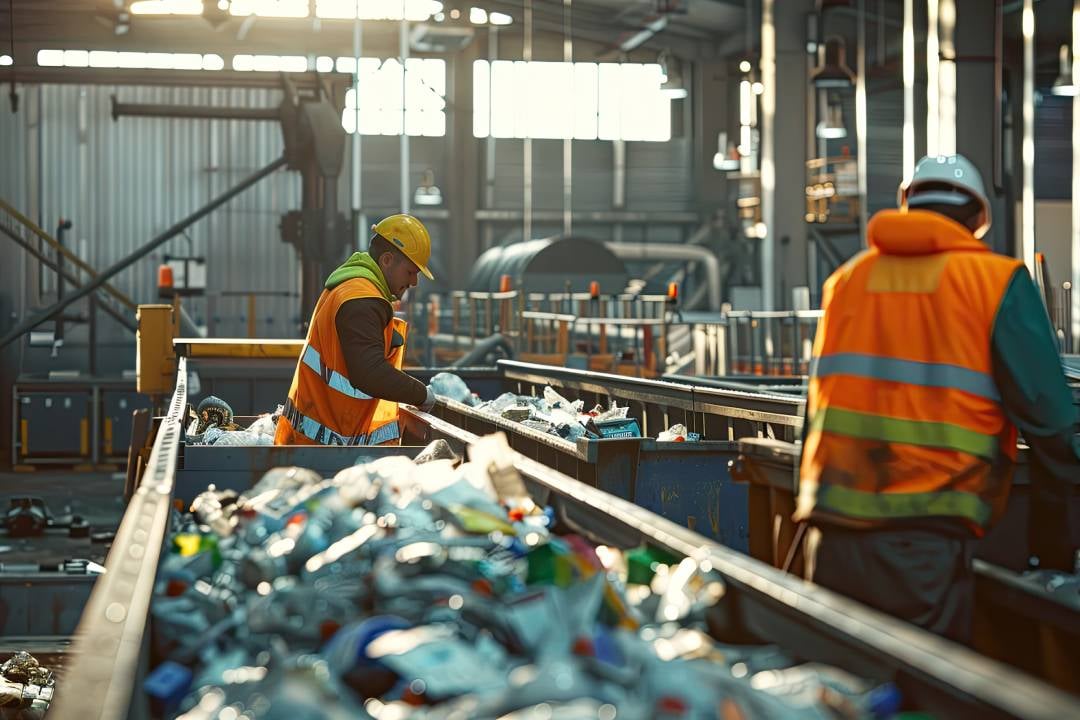
An industrial waste management system that saves money starts with knowing exactly what your plant throws away, then routing each material to the cheapest responsible outlet: recycling, reprocessing, secure destruction or, as a last resort, landfill. Most of the savings come from pulling recyclable material such as plastic scrap out of the trash, where you pay to haul it, and sending it somewhere it has value. The rest comes from simple habits on the floor: sorting at the source, scheduled pickups and tracking a few numbers every month.
Key takeaways
- Start with a waste audit. You can’t cut costs on a stream you haven’t measured.
- Post-industrial plastics like HDPE and polypropylene are often the most valuable material plants are paying to landfill.
- Separating materials where they’re generated keeps them clean, which is what keeps them recyclable.
- Track disposal cost, diversion rate and volume by material each month so you can see what’s working.
Why industrial waste turns into a cost problem
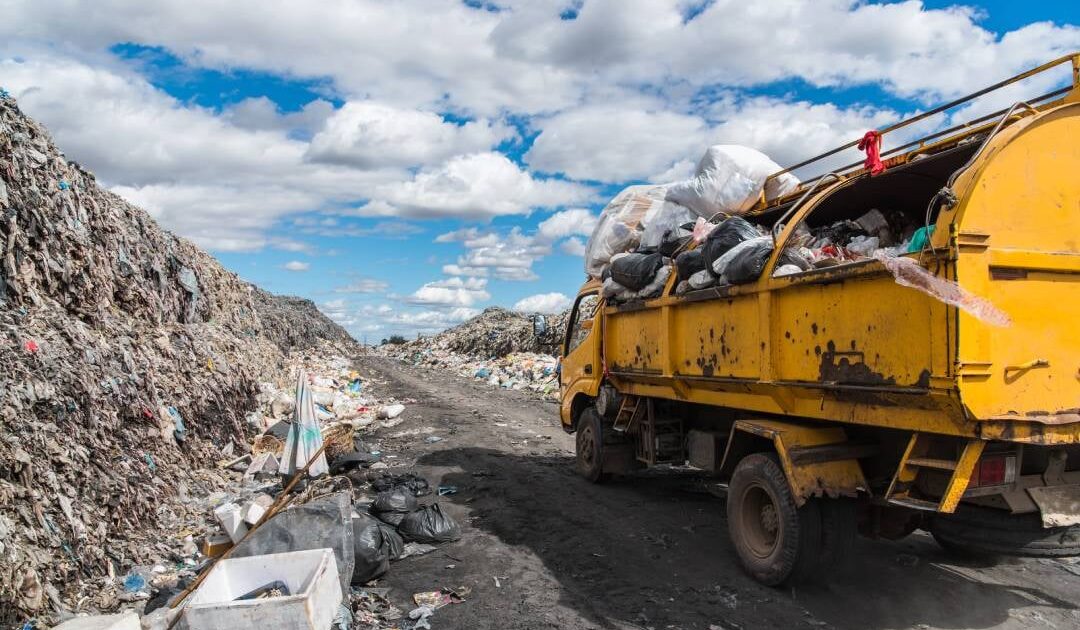
Factory waste rarely gets out of hand on purpose. A line produces purgings and rejects, a warehouse piles up stretch film and damaged pallets, a product gets discontinued and the old stock sits in a corner. Without a plan, all of it goes into the same dumpster, and the business pays to haul material that could have been sold or reprocessed.
The costs show up in a few places. There are hauling and tipping fees on every load. There is floor space taken up by scrap waiting to be dealt with. There is the safety and housekeeping problem of overflow piles. And there is risk: obsolete or off-spec product that leaves your building in a dumpster can end up somewhere you’d rather it didn’t. A structured system handles waste on a schedule instead of reacting to it when it becomes a problem.
Step 1: Audit your waste stream
A waste audit is a plain inventory of what you throw away, how much and where it comes from. Walk the plant with someone from production and someone from purchasing. Look in the dumpsters and scrap bins, not just at the invoices. For each stream, note:
- The material (for plastics, the resin type if you know it)
- Where it’s generated: which line, dock or department
- Roughly how much per week or month
- Whether it’s clean and separated or mixed with other trash
- What you’re paying to get rid of it today
Many plants are surprised by what turns up. Edge trim, runners, purgings, rejected parts, overruns and outdated packaging all leave the building as “trash” while still having real value as raw material. If you’re not sure what a stream is or whether it can be recycled, send us photos or a sample and we’ll tell you what we can take.
Step 2: Sort each stream into the right outlet
Once you know what you have, each material needs a destination. The goal is to send as little as possible to the last row of this table.
| Material type | Typical examples | Best outlet |
|---|---|---|
| Clean post-industrial plastic | HDPE and PP scrap, runners, rejects, purgings | Grinding into regrind for molding or compounding, or sale as scrap |
| Your own plastic you want back | Production scrap from a known resin and grade | Toll processing: we grind it and return it to you |
| Product that must not be resold | Obsolete, expired, recalled or off-spec goods | Secure product destruction, then recycling of the materials |
| Packaging | Stretch film, corrugated, crates, pallets | Commercial recycling |
| Bulk mixed debris | Cleanouts, line changeovers, large volumes | Roll-off hauling, sorted for recovery where possible |
| True residual waste | Contaminated or mixed material with no outlet | Landfill |
For plants that run plastics, the first two rows usually matter most. HDPE and polypropylene are workhorse resins that grind well and are in steady demand as regrind. Our guide to plastic grinding and toll processing explains what happens to scrap once it reaches us.
Step 3: Design collection around how the plant actually works
A system that adds steps to an operator’s day won’t be followed. Put the right container where the waste is made: a gaylord for runners next to the press, a separate bin for film at the shipping dock. Label each one clearly with the material it takes and, ideally, a photo.
Separation at the source is the single biggest factor in what your scrap is worth. A gaylord of clean, single-resin HDPE is a raw material. The same plastic mixed with cardboard, food wrappers and floor sweepings may be headed for landfill. Keep different resins apart, keep colors apart where it’s practical, and keep trash out.
Then set a pickup rhythm that matches your volume. High-volume streams need scheduled service so they never pile up. Occasional cleanouts can be handled with roll-off hauling on call. Our roll-offs come in 20, 30 and 40-yard sizes, and we also offer compactors.
Step 4: Handle obsolete and sensitive product properly
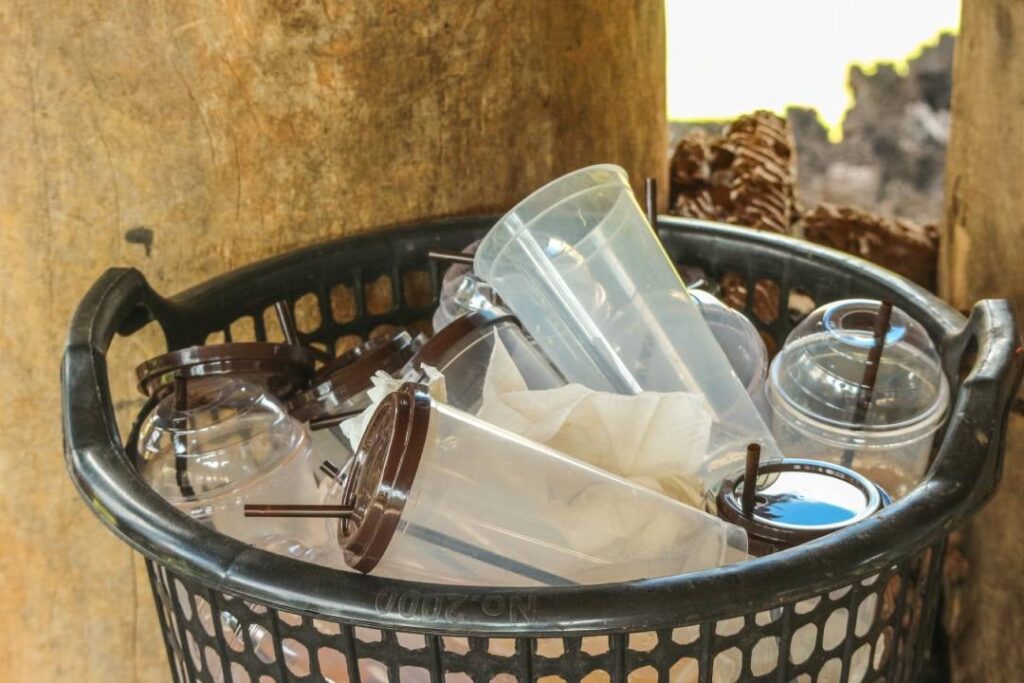
Old inventory deserves its own line in your plan. Expired, recalled, damaged or off-spec goods can create brand and liability problems if they end up resold or dumped where customers find them. Regulated products such as food carry their own disposal requirements.
Our product destruction service renders goods unusable and then recycles the materials instead of landfilling them. Every job comes with a certificate of destruction, set up for what your files need.
Step 5: Train the team and make it visible
Even a well-designed system fails if the people on the floor don’t know why it matters. Keep training short and specific: which bin takes what, what contamination looks like, and who to tell when a container is full. New hires should get it on day one.
It helps to share results. When operators see that the scrap from their line went back into production instead of a landfill, sorting stops feeling like extra work. Small, consistent habits add up faster than a big launch that fades after a month.
Step 6: Measure and adjust
Waste management is ongoing. Pick a few numbers and review them monthly:
- Total disposal cost, including hauling and tipping fees
- Volume or weight by material
- Diversion rate: the share of total waste that didn’t go to landfill
- Any revenue or credit from scrap sales
If one stream keeps showing up contaminated, look at the container placement or the training. If a new product line starts generating scrap, add it to the plan before it ends up in the general dumpster. These records also help with customer sustainability questionnaires and internal ESG reporting.
Choosing a recycling partner
Few manufacturers want to become waste experts, and they shouldn’t have to. A good partner knows industrial materials, especially plastics, and can tell you plainly what has value and what doesn’t. Look for one that can handle several of your streams so you aren’t juggling five vendors, and one that fits pickups around your production schedule instead of the other way around.
AP&J is a family-owned recycler in Fort Worth that works with manufacturers, distributors, retailers and OEMs across Dallas-Fort Worth and North Texas. We focus on post-industrial plastics, mainly HDPE and polypropylene, and also offer grinding, toll processing, product destruction, landfill diversion and roll-off hauling. For a closer look at the dollars involved, see the real cost of waste.
Frequently asked questions
What is the first step in industrial waste management?
A waste audit. List every material you throw away, where it comes from, roughly how much you generate and what it costs to dispose of. That inventory tells you which streams to tackle first and where the money is.
How does better waste management save money?
It reduces what you pay to haul and landfill, and it turns some scrap into material you can sell or reuse. Plants that reprocess their own plastic scrap also buy less virgin resin. Cleaner floors and fewer overflow piles save labor time as well.
Which industrial plastics can be recycled?
Clean post-industrial HDPE and polypropylene are the most commonly recycled, and they’re our specialty. Other resins may be recyclable depending on condition, volume and contamination. Send us details and we’ll tell you what we can accept.
Do I need to sort waste before it’s picked up?
Sorting at the source makes a big difference to value. Clean, single-resin plastic can go straight into grinding, while mixed loads may be worth little or nothing. We can help you set up a simple bin layout that operators will actually use.
Talk to us about your waste stream
If you’d like a second opinion on what’s in your dumpsters, call AP&J at (682) 841-1303 or reach us through our contact form. Tell us what you generate and we’ll help you work out what can be recovered.