
Full Circle Recycle Programs in Fort Worth, TX
A full circle recycle program takes the plastic scrap your plant produces, grinds it into regrind, and gets it back into production instead of the landfill. We set these programs up for manufacturers in Fort Worth and across Dallas-Fort Worth that run HDPE and polypropylene.
Contact Us
Share your details, and we'll be sure to get back to you within one day.
Close the loop on your plastic scrap
Every molding or extrusion line makes scrap: runners, sprues, purgings, start-up shots, edge trim and rejected parts. That material is clean, you know exactly what resin it is, and it comes in predictable amounts. That combination makes it the easiest plastic there is to put back to work.
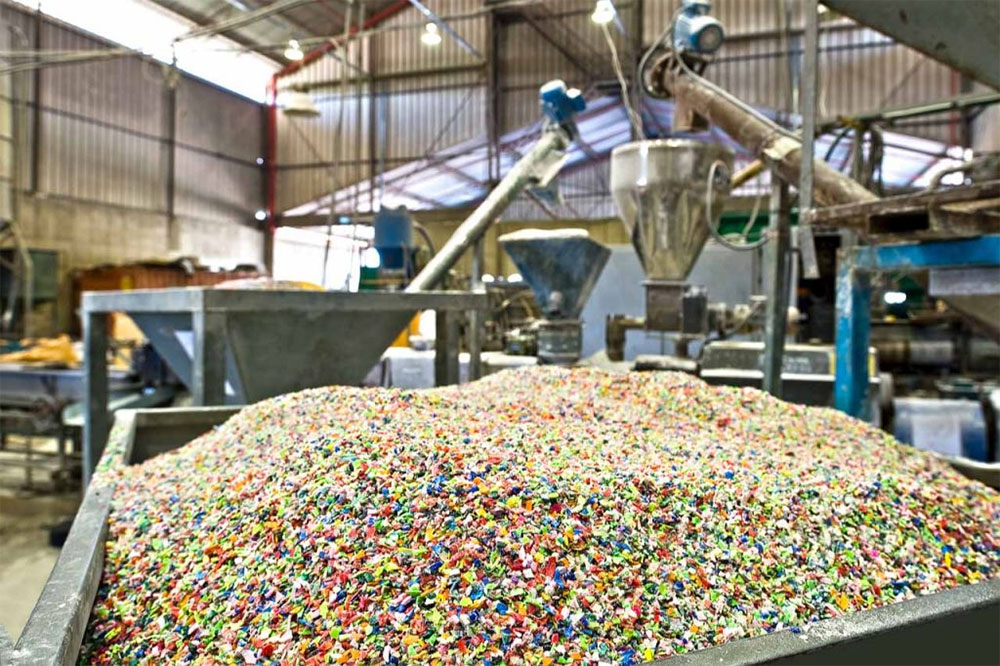
A full circle program is the routine that makes it happen. Scrap is separated at the press, collected on a schedule, ground at our Fort Worth plant, and returned as regrind. Under toll processing the regrind comes back to you to blend into new parts. When your product cannot use it, the regrind goes to other molders and compounders as raw material.
AP&J is a family-owned recycler that processes post-industrial plastics, mainly HDPE and polypropylene, and buys and sells plastic scrap.
What a program includes
- A review of your scrap streams, volumes and how material is handled today
- A separation plan: one resin per container at each press or line, with trash kept out
- Scheduled pickups, including roll-off hauling for larger volumes, or drop-off with your own trucks
- Grinding into regrind sized for your process
- Return of your own regrind, or purchase of scrap you cannot reuse
- Product destruction for finished goods that must not be resold, before the materials are recycled
Ask us what paperwork comes with each load so you can track recycled content and diversion for customer reporting.
Where your scrap can go
| Option | What happens | Best when |
|---|---|---|
| Closed loop (toll processing) | We grind your scrap and return the regrind to you | Your parts can take some regrind blended with virgin resin |
| Sell as scrap | We buy clean scrap and it becomes raw material for other molders and compounders | Your specs leave no room for regrind |
| Destroy, then recycle | Finished goods are destroyed so they cannot be resold, then materials are recovered | The scrap is branded, obsolete or recalled product |
How it works
- Tell us what you run. Resins, part types, monthly scrap volume and how it is stored now. A photo of the scrap helps.
- We agree on the loop. Which streams come back to you as regrind, which we buy, and the pickup schedule.
- Your team separates at the source. Labeled containers at each press keep resins and colors apart. This step decides the quality of everything after it.
- We collect and grind. Your material is processed at our Fort Worth facility, kept separate when it is coming back to you.
- Regrind returns to production. Test blend ratios first, then make it part of your normal resin supply.
We work with manufacturers, molders, compounders and OEMs across Dallas-Fort Worth and North Texas. For the full background, read our article on closed-loop and full circle recycling for manufacturers.
Frequently Asked Questions
What is the difference between closed-loop and full circle recycling?
They describe the same goal: putting material back into productive use instead of discarding it. Closed-loop is the general industry term. Our full circle recycle program is how we put it into practice for a specific plant, from collection through grinding to returning the material.
How much regrind can I use in my parts?
That depends on your product, resin grade and customer requirements. Each heat cycle affects the plastic somewhat, so most molders blend a portion of regrind with virgin resin. Run trials at a few ratios and check them against your specs before making one standard.
What if my scrap can’t go back into my product?
Clean HDPE and polypropylene scrap still has value as raw material for other molders and compounders. We can buy it or recycle it through other channels so it stays out of the landfill.
What ruins a batch of regrind?
Contamination. A handful of the wrong resin, metal, paper or floor sweepings can make a batch unusable for your parts. Separate containers at each press, clear labels and keeping trash out solve most of it.
Set up a full circle program for your plant
Call 682-841-1305 or send the form. We reply within one business day.