To choose an industrial plastic recycler in North Texas, look for a company that handles post-industrial material (not household recycling), can process your specific resin and volume, keeps pickups on a schedule you can plan around, and is close enough to respond when your scrap piles up. Ask what they do with the material after it leaves your dock, and whether they can also handle the odd jobs like product destruction or hauling mixed waste. A recycler that checks those boxes will keep your floor clear and keep usable plastic out of the landfill.
Key takeaways
- Post-industrial plastic needs a recycler that understands resin types, contamination and processing. A general trash hauler won’t recover much of it.
- Match the recycler’s equipment to your material: grinding, shredding and toll processing suit different streams.
- Reliable pickups and the right container matter as much as price, because scrap that sits costs you floor space.
- A local Dallas-Fort Worth partner makes scheduling, site visits and problem-solving faster.
Why industrial plastic needs a specialist
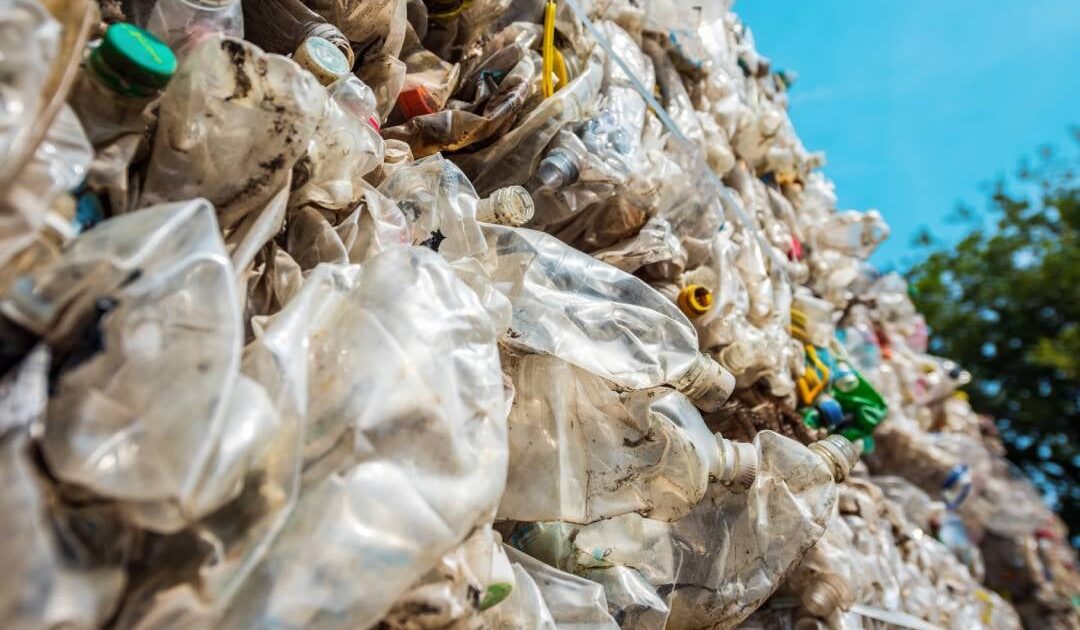
Plastic scrap from a plant looks nothing like what goes in a curbside bin. It comes off production lines as purgings, runners, trim and rejected parts. It shows up as pallets of obsolete product, damaged packaging and returned inventory. Because it is usually one resin in large quantities, it has real value as raw material, but only if someone handles it correctly.
A general waste service will haul it away. That clears the floor, but the plastic usually ends up in a landfill, and you pay disposal fees on material that could have been recovered. An industrial recycler looks at the same pile and asks different questions: what resin is it, how clean is it, how much do you generate each month, and what form does a buyer need it in?
North Texas has a deep base of manufacturers, distributors, warehouses and OEMs, and many of them generate the same scrap every day. If the material is predictable, it should be managed like an input to someone else’s process instead of random garbage.
What to look for in a recycling partner
Experience with post-industrial resins
Ask which plastics the recycler handles most. At AP&J, the bulk of our work is HDPE and polypropylene, the two resins that show up most often in molded parts, containers, pallets, crates and packaging. Other streams such as LDPE film or PET can come up depending on the facility. A recycler who works with your resin every week will know how to sort it, what contaminants cause trouble and where the finished material can go.
Processing that fits your stream
Plastic has to be reduced in size before it can be reused. Grinding turns parts and purgings into regrind, a flake that molders and compounders can blend back into production. Shredding is a first step for bulky or mixed items. Toll processing means you keep ownership of your material and pay the recycler to grind it to your spec, then take it back for your own use. A good partner will recommend the method that suits your material instead of pushing everyone into the same service. You can read how each one works in plastic grinding, shredding and toll processing.
Pickup and hauling you can count on
A recycling plan only works if material actually leaves on time. When pickups slip, gaylords and bales stack up in aisles, block dock doors and create safety problems. Ask how the recycler schedules pickups, what happens when you have an unexpected surge, and whether they can supply containers. For larger or mixed volumes, roll-off hauling keeps things moving without your crew babysitting a pile. We run 20, 30 and 40-yard open-top containers, plus compactors for loose, bulky material.
A plan for landfill diversion
Not every material can be recycled, and an honest recycler will tell you so. What you want is a partner who reviews your waste stream and separates what can be recovered from what truly has to be thrown away. Over time that review shrinks your trash bill and gives you real numbers to report if your customers ask about sustainability.
Help beyond the routine stream
Most facilities have the occasional job that does not fit the weekly pickup: a recalled product run, branded packaging that is being retired, or a warehouse full of obsolete stock. Using the same recycler for those jobs saves you from vetting a new vendor every time. Ask whether they offer product destruction and how they document it.
Questions to ask before you sign on
A short conversation will tell you a lot. These are the questions we suggest plant managers and purchasing leads bring to any recycler, including us.
| Question | Why it matters |
|---|---|
| Which resins do you process most? | Shows whether your material is core business or an afterthought. |
| Do you grind on site, and can you toll process? | Tells you whether the recycler adds value to the material or just brokers it. |
| How clean and sorted does my material need to be? | Contamination affects what can be recovered and what it is worth. |
| How are pickups scheduled, and who supplies containers? | Missed pickups cost floor space and labor. |
| Will you buy my scrap, or charge to take it? | Depends on resin, volume and condition; get the terms in writing. |
| What happens to the material after it leaves? | You want it going to a real end use, not a landfill. |
| Can you handle product destruction or mixed waste? | One partner for routine and one-off jobs is simpler. |
On pricing, there is no single answer. Clean, sorted, high-volume HDPE or PP may be worth something; mixed or dirty loads may cost money to handle. We’ll look at what you have and tell you plainly where it falls. What we pay depends on grade, cleanliness, volume, form and packaging, and there’s no minimum for material you bring or ship to us.
Why a local recycler makes a difference
Distance shows up in your costs and your schedule. A recycler across the state has to bundle your pickups with other stops, which means longer waits and less flexibility when production spikes. Freight also eats into whatever value the scrap has.
A recycler based in Dallas-Fort Worth can visit your plant, look at the material in person and adjust the plan when your output changes. When something goes wrong, like a contaminated load or a surge after a line changeover, you can reach someone who knows your account and can get a truck out. Over a few months, that relationship is what turns a vendor into a reliable part of your operation.
Common plastics North Texas facilities send for recycling
- HDPE: containers, drums, crates, pallets, pipe trim and molded parts
- Polypropylene: caps, closures, automotive parts, totes and injection-molded scrap
- LDPE and LLDPE: stretch wrap and film, when it is clean and baled
- Purgings, runners and rejected parts from molding lines
- Obsolete or off-spec finished product
Before any of it moves, the material should be reviewed. Resin type, color, contamination and volume all affect the best way to handle it, so avoid dumping every kind of plastic into the same container.
How AP&J works with North Texas businesses
AP&J is a family-owned recycler at 990 Haltom Road in Fort Worth. We process post-industrial plastics, mostly HDPE and polypropylene, into regrind that goes back into molding and compounding. We grind and toll process, buy and sell plastic scrap, and offer product destruction, landfill diversion, roll-off hauling and commercial recycling for manufacturers, distributors, retailers and OEMs across Dallas-Fort Worth and North Texas.
We start by looking at what your facility actually produces, then build a pickup and processing plan around your material and volume. If something can’t be recycled, we’ll say so.
Frequently asked questions
What is the difference between industrial and residential plastic recycling?
Residential recycling collects mixed household packaging that has to be sorted at a materials recovery facility. Industrial recycling deals with large, consistent volumes of known resins straight from production or distribution. That consistency is what makes post-industrial plastic easier to turn back into raw material.
Do I need to sort my plastic before pickup?
Keeping resins separate makes your material more valuable and easier to process. At a minimum, keep plastic away from metal, wood, paper and food waste. We’ll walk your facility and suggest a simple setup your team can follow.
Will a recycler pay me for my plastic scrap?
Sometimes. Clean, sorted HDPE and polypropylene in steady volumes can have value, while mixed or contaminated loads usually cost money to handle. The only way to know is to have the material reviewed.
Can one recycler handle both routine scrap and one-time cleanouts?
Yes, if they offer the services. Many facilities use the same partner for weekly scrap pickups, roll-off containers during cleanouts and secure destruction of obsolete product, which keeps paperwork and contacts in one place.
If you have plastic scrap, surplus material or obsolete product piling up, let’s talk about what it is and where it can go. Call AP&J at (682) 841-1303 or reach us through our contact form, and we’ll set up a time to look at your material.