The most common plastic recycling myths are that the recycling symbol means an item is recyclable, that everything in the blue bin gets recycled, and that a little contamination does no harm. In reality, whether plastic gets recycled depends on the resin type, how clean and well sorted it is, and whether a buyer wants it. Clean, single-resin plastic, especially post-industrial scrap from factories, is recycled at high rates, while mixed and dirty household plastic often is not.
Key takeaways
- The number inside the chasing arrows identifies the resin, not whether anyone will recycle it.
- Contamination is the main reason plastic gets rejected and sent to landfill.
- Plastic does not biodegrade in any useful time frame; it breaks into smaller pieces called microplastics.
- Post-industrial plastic scrap is far easier to recycle than curbside plastic because it is clean and sorted at the source.
Myth: The recycling symbol means it can be recycled
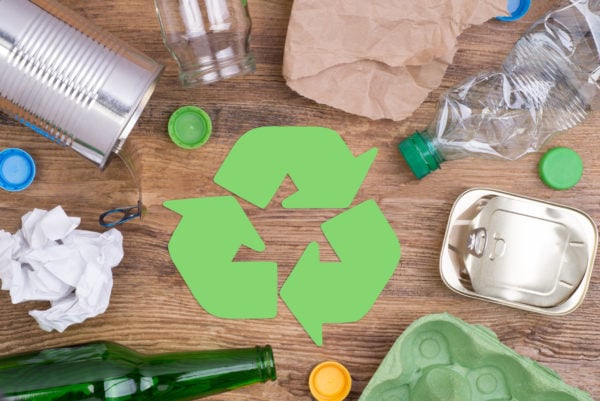
The chasing arrows with a number from 1 to 7 is the resin identification code. It tells a sorter what kind of plastic the item is made of. It says nothing about whether your city program, or any recycler nearby, accepts it.
Some resins have strong markets and others have almost none. Here is a general picture. Local programs vary, so check yours.
| Code | Resin | Common items | How often it is recycled |
|---|---|---|---|
| 1 | PET | Water and soda bottles | Widely accepted curbside |
| 2 | HDPE | Milk jugs, detergent bottles, pails, crates | Widely accepted; strong demand |
| 3 | PVC | Pipe, siding, some packaging | Rarely accepted curbside |
| 4 | LDPE | Bags, shrink wrap, film | Usually not curbside; some store drop-off and commercial film programs |
| 5 | PP | Tubs, caps, automotive parts, yard signs | Accepted in more programs each year; strong industrial demand |
| 6 | PS | Foam cups, takeout containers, packing foam | Rarely accepted |
| 7 | Other | Mixed resins, polycarbonate, multi-layer packaging | Rarely accepted |
Myth: Everything in the blue bin gets recycled
Curbside material goes to a sorting facility where machines and people separate it by type. Items the facility can’t sell, can’t identify, or that are too dirty get pulled out and sent to landfill. Plastic bags and film are a well-known problem because they wrap around sorting equipment and stop the line.
The plastic that does get sorted is baled and sold. If there is no buyer for a resin, the bales have nowhere useful to go. Recycling is a market as much as a process, and that market decides what gets a second life.
Some items should never go in a blue bin: batteries, electronics, fluorescent bulbs and household chemicals. Large or rigid plastics, such as campaign yard signs, also fall outside most curbside programs. Our guide on where to recycle campaign yard signs in Fort Worth covers one example.
Myth: A little contamination doesn’t matter
A greasy container, a bag of trash or a few pieces of the wrong plastic can lower the value of a whole bale or get it rejected. Different plastics melt at different temperatures and don’t blend, so even small amounts of the wrong resin can cause defects in the products made from recycled material.
The same rule applies inside a factory. A plant that keeps HDPE and polypropylene scrap in separate containers, free of paper, metal and trash, produces material that recyclers want and pay for. Mixed scrap is worth less and may cost money to dispose of.
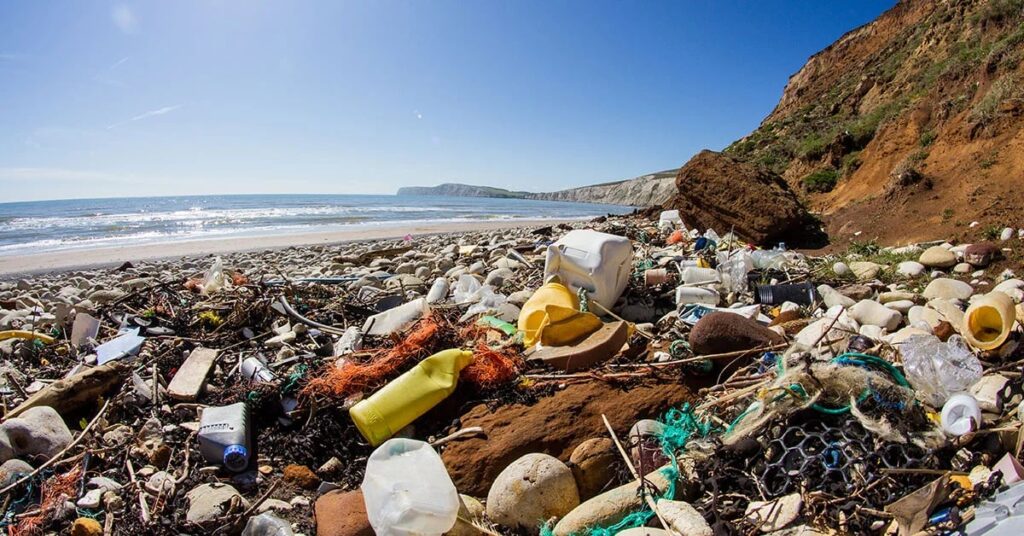
Myth: Plastic eventually breaks down and goes away
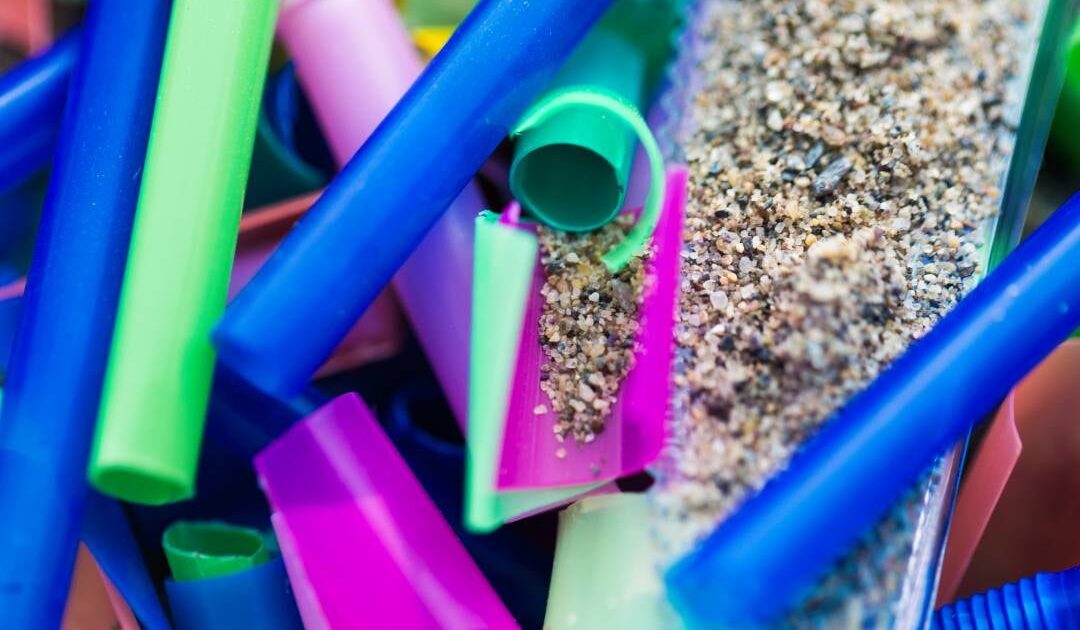
Most common plastics do not biodegrade in any meaningful time frame. Exposed to sunlight, heat and weather, they get brittle and break into smaller and smaller pieces. Particles under 5 millimeters are called microplastics, and they have been found in oceans, rivers, soil and drinking water.
Estimates for how long plastic lasts in the environment run to hundreds of years, though nobody has watched a plastic bottle for that long, so these are projections. In a landfill, with little light or oxygen, plastic changes even more slowly. The practical point is that once plastic is thrown away, it stays around, which is a strong argument for keeping it in use.
Some plastics contain additives such as plasticizers, flame retardants or BPA, and researchers continue to study how these chemicals move out of plastic and into the environment. Keeping plastic in controlled recycling streams rather than letting it break apart outdoors limits that exposure.
Myth: Recycled plastic is always low quality
Recycled plastic covers a wide range. Mixed post-consumer plastic is often downcycled into lower-value products such as plastic lumber, fiber or carpet. Clean, single-resin material can go back into products very close to the original.
Post-industrial regrind is a good example. When a molder’s HDPE or PP scrap is kept separate and ground into consistent flakes, it can be blended back into production, often with no noticeable change in the finished part. Our article on recycled vs. virgin plastic resin covers how the two compare.
Myth: Plastic can be recycled forever
Each time plastic is melted and reformed, its polymer chains get a little shorter, which can weaken it. After several cycles, mechanically recycled plastic is usually blended with new resin or used for less demanding products. Chemical recycling methods that break plastic down to its building blocks may extend that life, but they are not yet widely used.
That limit is a reason to recycle well, not a reason to skip it. Every cycle that replaces virgin resin means less oil and gas pulled out of the ground and less plastic going to landfill.
Myth: Recycling solves the plastic problem by itself
Recycling takes energy for collection, transport, sorting and processing, so it isn’t free of environmental impact. It works best as part of a larger plan: use less material where you can, reuse what can be reused, and recycle the rest cleanly. For a business, that might mean returnable packaging between plants, right-sizing packaging, and setting up separate streams for the materials you do discard.
What would happen if we stopped recycling plastic?
Recycling programs in many cities paused or cut back during the early part of the pandemic, which gave a small preview. More plastic went to landfills. Manufacturers that rely on recycled resin would have to buy more virgin plastic, which means more fossil fuel use and more plastic made overall. Recycling isn’t perfect, but dropping it would make each of these problems worse.
Industrial recycling works differently from curbside
Most of these myths come from curbside recycling, where plastic arrives mixed, dirty and in small quantities. Industrial recycling starts from a much better place. A plant knows what resin it runs, can keep scrap separated at the press or line, and produces it in steady volumes. That makes the material predictable and easy to sell.
At AP&J we work with that kind of material every day. We grind post-industrial plastics, mainly HDPE and polypropylene, into regrind for manufacturers, and we help companies set up commercial recycling and landfill diversion programs that keep usable plastic out of the trash. If you aren’t sure whether a material can be recycled, email a description or photos to jeanette@apjrecycling.com and we’ll tell you what we can take.
Frequently asked questions
Does the number on plastic mean it is recyclable?
No. The number identifies the resin type. Whether that resin is recycled depends on your local program or on whether a commercial recycler has a market for it. Numbers 1 and 2 are the most widely accepted, and 5 is increasingly accepted.
Why are plastic bags not accepted in curbside bins?
Bags and film wrap around the rotating screens and shafts in sorting facilities, which forces the line to stop for cleaning. Many grocery stores collect clean bags separately, and businesses that generate a lot of clean stretch film can often recycle it through commercial programs.
Is post-industrial plastic easier to recycle than household plastic?
Yes. Factory scrap is usually one known resin, free of food and household trash, and produced in steady amounts. That makes it far more valuable to recyclers and molders than mixed curbside plastic.
Is it worth recycling small amounts of plastic scrap?
For households, every clean item in the right bin helps. For businesses, small amounts can still be worth separating, especially if they can be combined over time into a full load. Ask a recycler what minimum quantity makes sense for your material.
If you have plastic scrap and want to know whether it can be recycled, call AP&J at (682) 841-1303 or send us a note through our contact form. We’ll give you a straight answer about what we can take.